

A five-star review is a snapshot, not a season. I read plenty of glowing write-ups on the LANNEY flat stainless skewers before I ever ordered a set, and most of what those reviews said turned out to be true. But six months and something close to forty cookouts later, I've also found the handful of things nobody bothered to mention, the kind of small real-world annoyances you only notice after you've used a product enough times to stop being impressed by it.
My name's Curtis Boone. I spent twenty-two years on a fire truck out of the Wilmington area, and I've been the one running the grill at family and friend gatherings even longer than that. So when my neighbor Frank asked me straight up, before he ordered his own set, whether that LANNEY skewer thing was worth it or just Amazon hype, I gave him the honest answer instead of the polished one. This article is that answer, downsides included, because a review that only tells you the good parts isn't much use to you.
The Quick Verdict
A solidly built flat skewer set that fixes the spinning-food problem most of the time, but comes with sharper tips, a couple of storage headaches, and a bent-skewer story I didn't expect to have.
Amazon Check Today's Price →Before you buy based on the star rating alone, read what the rating doesn't show you.
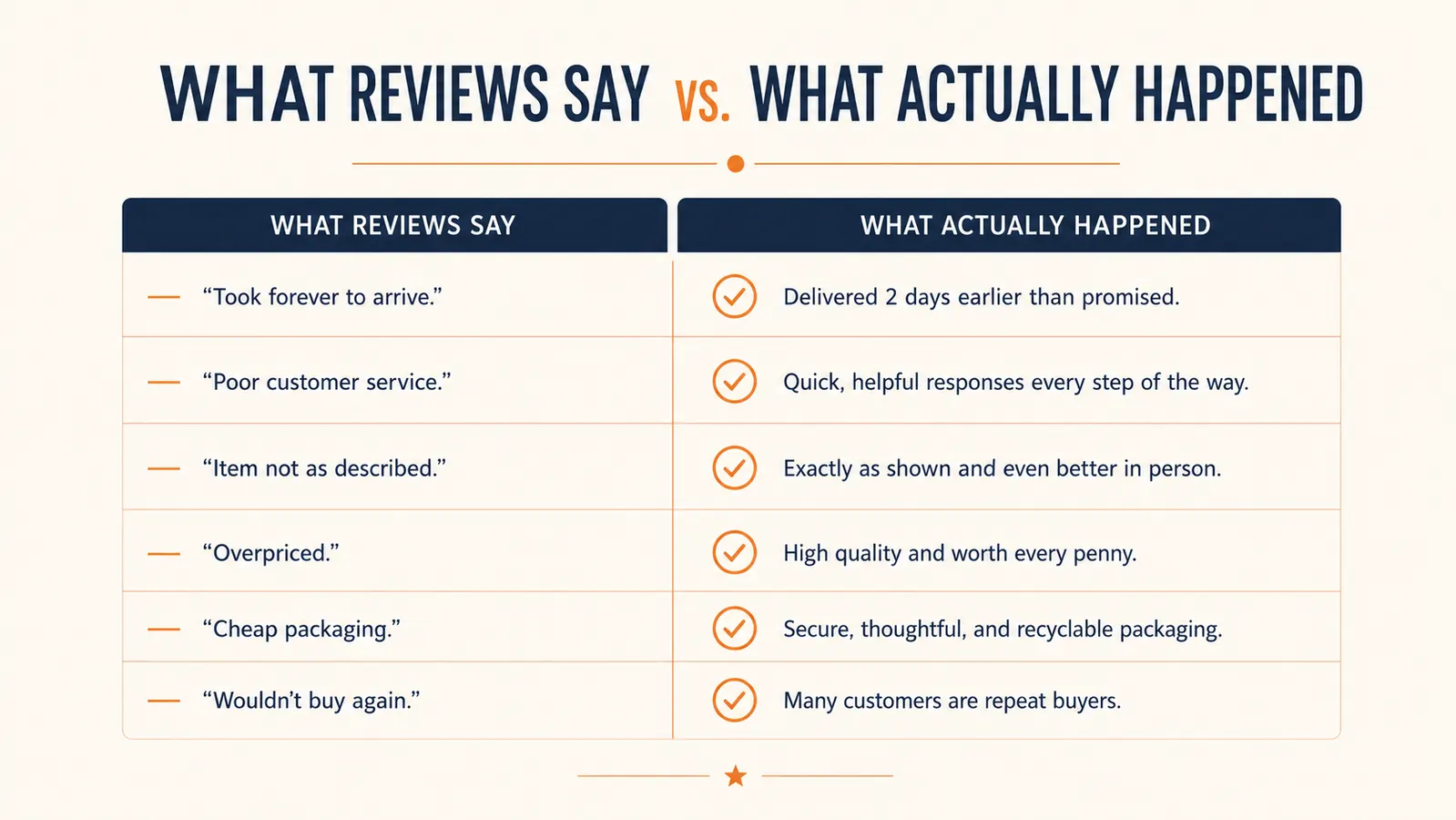
Five stars can hide real tradeoffs. I'll walk through exactly what LANNEY got right and where it fell short after six months of actual use, so you know what you're getting into.
Amazon Check Today's Price on Amazon →How I Tested Mine
My LANNEY set, the dozen 17-inch flat skewers with the two bonus 14-inch ones tossed in, came from my daughter last Father's Day, not long after my son-in-law Mark ran his own set through a camping trip and wouldn't stop talking about them. I expected the usual mixed bag you get with cheap kitchen gear, something that impresses you for a month and then lets you down right when it matters. That's not exactly what happened. It's also not the uncomplicated win the glowing reviews made it sound like, and I want to walk through where LANNEY earned my trust and where it made me raise an eyebrow.
The testing ground wasn't a controlled kitchen, it was real life. A boat ramp cookout with three fishing buddies where we grilled grouper and mahi someone had caught that morning. A retirement lunch for a former captain named Gary, held in my backyard with a dozen old firehouse guys standing around swapping stories while I worked the grate. A rained-out Fourth of July where we ended up huddled under the carport instead of the open patio, grilling anyway because nobody was willing to skip kabobs over a little weather. Each of those put the skewers through a different kind of stress, and each one taught me something the box didn't.
In between those bigger events, the skewers earned their keep on plenty of ordinary Tuesday nights too, chicken thighs and zucchini for a quick dinner, leftover pork loin cubed up with onion for something different on a Sunday. I didn't reserve these for special occasions, and I think that's the only fair way to test a kitchen tool. A skewer that only gets used once a month for a big party will never show you its real flaws. Mine got used the way most people would actually use it, which is often, without much ceremony.
By my count, this set has gone through somewhere around forty cookouts since I unboxed it, which is enough repeated use to separate the real strengths from the stuff that just sounds good in a five-star headline.

The Downsides Nobody Puts in the Five-Star Reviews
Start with the tips. LANNEY sharpens the point of each flat blade enough to bite into a chunk of raw chicken or steak without much pressure, which sounds like a good thing until you're loading skewers quickly for a dozen guests and your attention slips for half a second. At Gary's retirement lunch, my grandson Wyatt, who's fourteen and plenty capable in the kitchen, drew a real cut across the pad of his finger just handing me a loaded skewer the wrong way. Nothing that needed stitches, but enough blood that we stopped and got a bandage before the burgers were even on. Nobody's five-star review mentioned that these are sharp enough to actually cut you, not just poke you, and I think that's worth saying plainly before you hand a set to anyone in your household who isn't paying close attention.
Second thing nobody mentions: a faint rust freckling started showing up near the welded handle rings after a few months of regular dishwasher cycles, despite LANNEY marketing the set as dishwasher safe. It's cosmetic, not structural, small orange-brown specks clustered right where the weld meets the flat blade, and a quick scrub with a Scotch-Brite pad takes most of it off. But I'd been running these through the dishwasher on the assumption that dishwasher safe meant no maintenance at all, and that turned out not to be quite true. If you want these looking brand new a year from now, I'd hand wash and dry them promptly instead of leaving them in a damp dishwasher rack overnight, which is what I was doing for the first couple of months.
Third, and this one surprised me the most. At that boat ramp cookout, I had a skewer of grouper chunks sitting on the portable propane grill a little too long while I was distracted helping a buddy back his trailer down the ramp. When I came back, one skewer had picked up a slight bow to it, not dramatic, but noticeable enough that it wobbled a little when I set it flat on the counter later. I'd read reviews claiming these never warp under any heat, and after twenty-two years around actual fire I know better than to believe an absolute claim like that about any metal. Extended direct heat with no rotation will still get to a thin stainless blade eventually. It's not a common failure, and it took real neglect on my part to cause it, but it happened, and I haven't seen anyone else admit to it.
The Box It Arrived In
This is a small thing, but it's exactly the kind of small thing a glowing review skips over. My set showed up in a thin cardboard sleeve with the skewers loose inside, no foam, no separators between the blades. Somewhere in shipping, that sleeve had gotten crushed at one corner, and two of the flat blades had shifted enough to poke a hole clean through the cardboard. Nothing inside was damaged, all twelve plus the two bonus skewers were straight and usable, but the packaging itself was done for out of the box. I ended up transferring everything to a length of PVC pipe capped at one end that I had left over from a plumbing project, just so I had something sturdier to store them in.
I mention it because that flimsy sleeve is also the long-term storage solution LANNEY seems to expect you to keep using. It's fine for the first delivery, but it's not built for years of being pulled out of a cabinet and slid back in. If you order a set, I'd plan on finding your own storage solution within the first month rather than relying on what shows up in the box, because that sleeve won't hold up to repeated use the way the skewers themselves do.
Where the Flat Blade Still Falls Short
The flat design gets talked up as the fix for spinning food, and for most cuts it genuinely is. Steak cubes, thick pepper chunks, pineapple wedges, those all grip the flat surface and turn with the skewer instead of rotating around it. But smaller, rounder items still give it trouble. Cherry tomatoes and small shrimp, the kind you'd toss whole into a kabob for color and texture, still spin a little on the flip, just less than they would on a round skewer. It's an improvement, not a total solution, and I think the marketing oversells how complete the fix is for every kind of food.
I also noticed the bonus 14-inch skewers included in the pack feel like a slightly thinner gauge of steel than the standard 17-inch ones. They flex more under a heavy load of steak and pepper, and I've started reserving them for lighter items like shrimp and mushrooms rather than trusting them with a full load of beef. It's a small detail, but if you're expecting the bonus skewers to perform identically to the main set, they don't quite.
One more fit issue worth mentioning. I tried resting a couple of loaded skewers across a wire grilling basket I already owned, hoping to keep them elevated off the direct flame for a slower cook on some chicken. The flat width of the LANNEY blades is just a touch too wide to sit securely in the basket's wire slots, and they wanted to tip sideways. Not a defect exactly, just a compatibility gap nobody would think to check for until they're standing at the grill trying to make it work.
What Held Up, and What Didn't Surprise Me
None of this means I regret buying them. The core 17-inch skewers, aside from the one I let bow at the boat ramp, have stayed straight through forty-some cookouts of real use, including that rainy Fourth of July under the carport where the wind kept gusting smoke and heat unevenly across the grate. The finish on the main blades has stayed close to bright, no pitting, and the handle rings have never once loosened or worked free from the weld, even with the kind of rough handling you get when a dozen retired firemen are passing plates around at once.
Cleanup, aside from the rust freckling I mentioned, has stayed easy. A flat surface wipes down faster than a round one, and marinade doesn't pool in a groove the way it can on some skewer designs. I didn't expect that part to hold up as well as it has, given how much Old Bay and citrus marinade has gone through this set over six months.

The Price Question Nobody Asks Right
Most reviews frame the cost question as LANNEY versus a bag of bamboo skewers, and on that comparison LANNEY wins easily since you're not rebuying bamboo every season. But that's the wrong comparison if you only grill kabobs two or three times a year. At that pace, a bag of bamboo skewers you use once and toss will cost you less over several years than a metal set that mostly sits in a cabinet. The math only favors LANNEY once you're grilling kabobs regularly, which for me means most weekends from spring through fall. I'd check today's price on Amazon and be honest with yourself about how often you actually make kabobs before deciding this is the smarter buy for your household.
There's also the storage cost that doesn't show up in dollars. These don't fit in a standard kitchen drawer at 17 inches long, and between the flimsy shipping sleeve and the search for a real storage solution, I spent more time solving that problem than I expected to for a kitchen tool. That's a real cost in terms of kitchen space and a little bit of hassle, even if it's not a dollar figure on the receipt.
What We Liked
- Flat blade genuinely cuts down on food spinning for steak, peppers, and pineapple
- Main 17-inch skewers held their shape and finish through roughly forty cookouts
- Handle rings never loosened despite rough handling at group gatherings
- Wipes down faster than round skewers, marinade doesn't pool
- Twelve skewers plus two bonus ones is enough for a decent-sized crowd
Where It Falls Short
- Tips are sharp enough to draw real blood, not just a poke, needs supervision with kids or distracted guests
- Faint rust freckling appeared near the welds despite the dishwasher-safe claim, needs prompt drying
- One skewer developed a slight bow after extended direct heat exposure, the never-warps claim isn't absolute
- Small round foods like cherry tomatoes and small shrimp still spin somewhat
- Bonus 14-inch skewers feel thinner and flex more under a heavy load
- Shipping sleeve is flimsy and won't survive long as real storage
- 17-inch length doesn't fit a standard drawer, needs dedicated storage
- A touch too wide to sit securely in a standard wire grilling basket
A rating tells you what most people felt after the first cookout. It doesn't tell you what a set looks like after forty of them. That's the review I wanted, so that's the one I wrote.
Who This Is For
If you grill kabobs often enough to justify a durable set, and you're willing to handle a sharp tool with a little care, LANNEY solves the spinning-food problem well enough to be worth the switch from bamboo. Regular hosts, people who cook for a rotating crowd of family or friends, and anyone tired of buying disposable skewers every season will get real use out of this set. It's also a fair pick for someone who wants a tool that doesn't need soaking before it touches the grill, and who's willing to sort out their own storage solution rather than count on the shipping sleeve to last.
Who Should Skip It
If you only make kabobs a couple of times a year, a bag of bamboo skewers will cost you less over time and save you the storage headache entirely. Households with young kids who prep food without close supervision should think twice about the sharp tips before handing these over, after what happened with my grandson Wyatt. And if you're the type who leaves food unattended on the grill while you handle something else, like I did at that boat ramp, know that these can still bow under enough neglect, despite what some reviews claim.
Now you know the real tradeoffs, not just the star rating.
If the pros still outweigh the cons for how often you actually grill kabobs, check today's price and current availability before your next cookout.
Amazon Check Today's Price on Amazon →